
Market Updates
Market Updates
Green Mortgages: Are They Worth It?
Are green mortgages cheaper? How to qualify using your EPC rating, options for new-builds and remortgaging, and how to compare rates, fees and incentives.
Published
The below article has information contained within that was correct at the time of publication but is subject to change. This is for information purposes only and does not constitute advice.
Green Mortgages: Are They Worth It?
Written by Doug Miller, Director at Lansdown Financial Services.
Doug Miller is a mortgage broker and co-founder of Lansdown Financial Services, based in Bath, quoted in 30+ news articles including the Guardian, Sky News, This is Money and the Sun.
Green mortgages are designed to reward people buying or owning energy-efficient properties. Depending on the lender, you could benefit from a lower mortgage interest rate, cashback or incentives for making energy-saving improvements to your home.
But are green mortgages actually cheaper than conventional mortgages?
Sometimes, but not always. A green mortgage can offer excellent value, particularly if your property already has a strong Energy Performance Certificate (EPC) rating. However, the best mortgage for you will depend on the interest rate, fees, incentives and overall cost, not simply whether a product is labelled green.
Key Points: The Short Version
Don’t have time to read the full article? Here are the five key things you need to know.
- Green mortgages can offer financial incentives: Some lenders provide preferential interest rates, cashback or other benefits for energy-efficient properties.
- Your EPC rating matters: Many green mortgage products require an Energy Performance Certificate rating of A or B, although eligibility varies between lenders.
- Green mortgages aren’t automatically cheaper: A conventional mortgage could offer a lower overall cost, even without a green incentive.
- You can qualify when buying or remortgaging: Some lenders also offer incentives or additional borrowing for qualifying energy-efficiency improvements.
- Compare the total cost, not just the headline rate: Mortgage fees, cashback, monthly repayments, early repayment charges and product flexibility all matter.
The bottom line: If your property qualifies for a green mortgage and the product offers better overall value, it’s worth considering. But there’s little benefit in choosing a mortgage simply because it has a green label.
The Full Guide: Are Green Mortgages Worth It?
Want to understand the detail? Below, we explain how green mortgages work, which properties qualify, the potential financial benefits and how to decide whether a green mortgage is right for you.
In This Guide
- What a green mortgage is and how it works
- How to qualify using your EPC rating
- Whether green mortgages are cheaper
- Green mortgages for new-build homes and remortgaging
- Improving your property’s energy efficiency
- How to decide whether a green mortgage is worthwhile
- Frequently asked questions
What Is a Green Mortgage?
A green mortgage is a mortgage product that offers a financial benefit linked to the energy efficiency of a property.
Rather than being a completely different type of mortgage, it’s generally a standard residential mortgage with an additional energy-efficiency incentive.
Different lenders offer different benefits and eligibility requirements.
| Type of green mortgage incentive | How it works |
|---|---|
| Preferential interest rate | An eligible energy-efficient property may qualify for a lower mortgage rate. |
| Cashback | Some lenders provide a cash incentive when you buy or remortgage a qualifying property. |
| Energy-efficiency improvement incentives | Certain lenders offer cashback, preferential borrowing or other benefits for qualifying home improvements. |
| Enhanced borrowing options | Some lenders may take a property’s energy efficiency into account when assessing how much you can borrow. |
Not every lender offers all these incentives, and product availability can change.
The important thing to understand is that a green mortgage is still a mortgage. You’ll generally have the same considerations around affordability, interest rates, fees, repayment terms and eligibility as with a conventional product.
How Do You Qualify for a Green Mortgage?
Eligibility depends on the lender, but one of the most common requirements is the property’s Energy Performance Certificate rating.
Many green mortgage products are aimed at properties with an EPC rating of A or B, although some lenders have different criteria or offer incentives for improving less efficient homes.
You’ll also need to meet the lender’s normal mortgage requirements, including affordability, credit history, property suitability and loan-to-value criteria.
A property qualifying for one lender’s green mortgage doesn’t necessarily mean it will qualify for another.
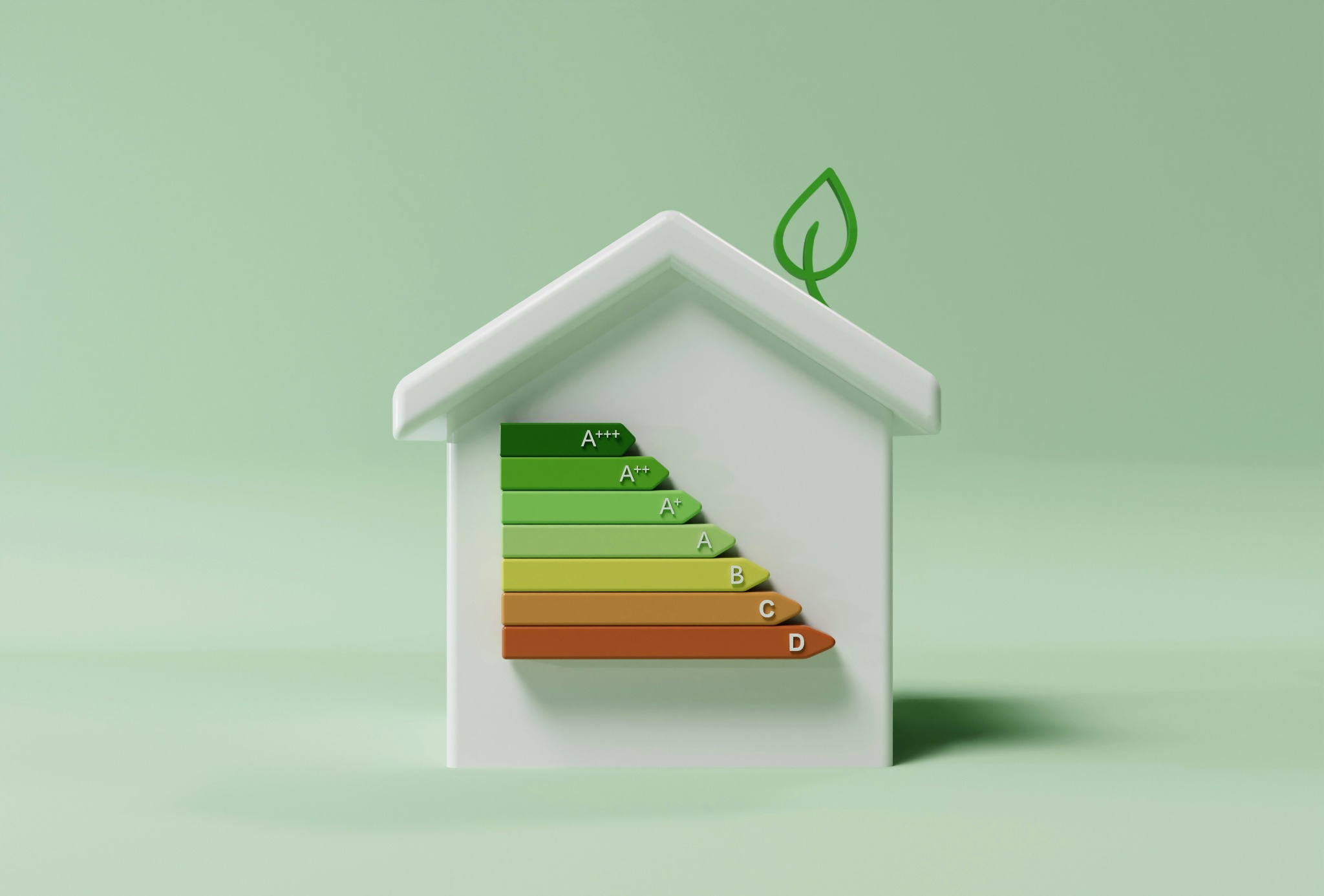
What Is an EPC Rating?
An Energy Performance Certificate (EPC) provides information about a property’s energy efficiency, typical energy use and potential improvements.
Properties are rated from A to G, with A representing the highest energy-efficiency rating and G the lowest.
| EPC rating | General energy-efficiency classification |
|---|---|
| A | Very high energy efficiency |
| B | High energy efficiency |
| C | Good energy efficiency |
| D | Moderate energy efficiency |
| E | Lower energy efficiency |
| F–G | Poor energy efficiency |
An EPC is generally valid for 10 years and is normally required when a property is built, sold or rented, subject to certain exemptions.
If you’re purchasing a property, its EPC should usually be available during the marketing process.
You can also check a property’s existing certificate through the government’s Find an Energy Certificate service.
Even if you’re not considering a green mortgage, reviewing the EPC can provide useful information about potential energy costs and improvements.
Are Green Mortgages Actually Cheaper?
A green mortgage can be cheaper than a conventional mortgage, but there is no guarantee.
This is arguably the most important consideration when deciding whether a green mortgage is worth it.
A lender may advertise a preferential interest rate or cashback incentive for an energy-efficient property.
However, another lender offering a standard mortgage may still provide better overall value.
For example, imagine you’re comparing two mortgage products.
| Mortgage feature | Green mortgage | Conventional mortgage |
|---|---|---|
| Interest rate | Competitive | Competitive |
| Cashback | £500 | None |
| Product fee | £999 | £0 |
| EPC requirement | A or B | No specific green requirement |
These are hypothetical product features for illustration, not currently available mortgage offers.
At first glance, the £500 cashback looks attractive.
But the green mortgage also has a £999 product fee.
That doesn’t automatically make it more expensive, because the actual interest rates and repayments still need to be compared. However, it demonstrates why cashback shouldn’t be considered in isolation.
When comparing products, we would consider:
- The mortgage interest rate and monthly repayments.
- Arrangement and product fees.
- Any cashback or financial incentives.
- Early repayment charges.
- The length of the initial mortgage deal.
- Overpayment allowances and other flexibility.
- The overall cost during the period you expect to keep the mortgage.
A green mortgage might genuinely be the most competitive option available.
Equally, a conventional mortgage could work out cheaper.
Our view: Don’t choose a mortgage because of its marketing. Choose it because the numbers, features and terms work for you.
Can You Get a Green Mortgage on a New-Build Property?
Yes, potentially.
New-build properties are often designed to meet modern energy-efficiency standards, which can make them more likely to achieve higher EPC ratings.
This means some new-build homes may qualify for green mortgage products offering preferential rates or cashback.
However, not every new-build property automatically qualifies.
Lenders have different requirements, and some may need a completed EPC before confirming eligibility.
If you’re buying a property that’s still under construction, the type of energy-performance documentation accepted can vary between lenders.
It’s also important to remember that green mortgage incentives are only one part of the new-build mortgage market.
Different lenders may have different criteria relating to deposits, property types, developer incentives and affordability.
At Lansdown Financial Services, we would compare suitable green mortgage products with the wider new-build mortgage market to identify the most appropriate options.
Can You Get a Green Mortgage When Remortgaging?
Yes. Green mortgages aren’t necessarily limited to people buying a property.
Some lenders offer green mortgage products or incentives to existing homeowners remortgaging properties with qualifying EPC ratings.
For example, if your home already has an EPC rating of A or B, you may be eligible for additional mortgage options when your existing deal comes to an end.
There are also lenders offering incentives to borrowers making qualifying energy-efficiency improvements.
These might involve cashback or preferential borrowing for specific improvements, subject to the lender’s criteria.
If you’re approaching the end of your mortgage deal, it’s worth checking your property’s EPC alongside the usual remortgage considerations.
Is your current mortgage deal coming to an end?
Lansdown Financial Services can compare green mortgages with conventional mortgage products to see which offers the most suitable overall deal.
Contact our team or call 01225 459515 for free mortgage advice.
What If Your Property Has a Poor EPC Rating?
A lower EPC rating doesn’t automatically prevent you from getting a mortgage.
This is an important distinction.
Green mortgages represent only part of the mortgage market, and a property generally doesn’t need an EPC rating of A or B to qualify for a conventional residential mortgage.
If you’re buying an older property with an EPC rating of D, E or below, there may still be suitable mortgage products available.
The lender will consider the property’s overall condition, construction, value and mortgageability alongside your personal circumstances.
You may also wish to improve the property’s energy efficiency after purchasing it.
Some lenders offer products designed specifically to support qualifying improvements, although eligibility and available incentives vary.
The sensible approach is to consider the property itself and the wider mortgage market rather than assuming a low EPC rating rules out borrowing.
Is It Worth Improving Your EPC Rating to Qualify for a Green Mortgage?
Potentially, although the financial benefits need to be carefully considered.
An EPC may recommend improvements such as:
- Installing or upgrading loft and wall insulation.
- Improving heating controls.
- Replacing inefficient windows.
- Installing solar panels.
- Upgrading the property’s heating system.
These improvements can potentially reduce energy consumption, improve comfort and make a property more attractive to future buyers.
However, the costs can vary considerably.
Some changes are relatively inexpensive, while others could cost thousands of pounds.
Example: Spending Money to Qualify for a Green Mortgage
Imagine you’re considering £8,000 of home improvements specifically to qualify for a mortgage product offering £500 cashback.
On the mortgage incentive alone, that wouldn’t be a financially attractive decision.
However, if the improvements also reduced energy bills, improved comfort and suited your long-term plans, the overall calculation could be different.
You would need to consider the installation costs, realistic energy savings, any mortgage incentive and how long you expect to remain in the property.
You should also check whether the work would actually improve your EPC rating sufficiently to qualify.
We wouldn’t recommend spending significant amounts on energy-efficiency improvements purely to access a green mortgage without understanding the overall financial benefit.
Could an Energy-Efficient Home Be Worth More?
Potentially, but a higher EPC rating doesn’t guarantee a higher property value.
Energy efficiency can be attractive to buyers, particularly when energy costs are an important consideration.
A property that’s cheaper to heat and more comfortable to live in may appeal to some purchasers.
However, property values are influenced by numerous factors, including location, size, condition, demand and wider market conditions.
It’s therefore difficult to attribute a specific increase in property value solely to energy-efficiency improvements.
If you’re considering upgrading your property, we’d suggest focusing on improvements that make financial and practical sense for your circumstances rather than assuming they will automatically increase its sale price.
Are Green Mortgages Worth It? What Should You Consider?
The answer depends on your property, mortgage requirements and the products available.
The following table summarises when a green mortgage might be worth exploring.
| Your situation | What to consider |
|---|---|
| You’re buying an EPC A or B property | Check whether eligible green products offer better rates or cashback than conventional mortgages. |
| You’re buying a new-build home | Compare green mortgage incentives with the wider new-build mortgage market. |
| You’re remortgaging an energy-efficient property | Check whether your EPC rating gives you access to additional products or incentives. |
| You’re planning energy-efficiency improvements | Compare the cost of the work with potential energy savings and any lender incentives. |
| Your property has a lower EPC rating | Conventional mortgages may still be suitable, and some lenders offer incentives for improvements. |
Ultimately, a green mortgage is worth considering when it offers a genuine advantage over the alternatives.
That advantage might be a lower interest rate, useful cashback, additional borrowing flexibility or a combination of benefits.
But the product still needs to be appropriate for your circumstances.
Frequently Asked Questions About Green Mortgages
Do All Mortgage Lenders Offer Green Mortgages?
No. Although green mortgage products are offered by a range of UK lenders, not every lender offers them, and the incentives and eligibility criteria vary.
Some provide preferential rates, while others offer cashback or incentives for energy-efficiency improvements.
Do You Need an EPC Rating of A or B for a Green Mortgage?
Not always. Many green mortgage products require an EPC rating of A or B, but other schemes are designed to help homeowners improve less energy-efficient properties.
Eligibility depends on the particular lender and product.
Can You Get a Green Mortgage on an Older Property?
Yes, potentially. An older property may qualify if it meets the lender’s energy-efficiency requirements.
If it doesn’t, you may still be eligible for conventional mortgage products or incentives linked to making qualifying improvements.
Is a Green Mortgage Better Than a Normal Mortgage?
Not necessarily. A green mortgage may offer preferential pricing or cashback, but a conventional product could still have a lower overall cost.
Comparing mortgage interest rates, fees, incentives and product features is the best way to establish which option offers better value.
How Lansdown Financial Services Can Help
Choosing the right mortgage involves more than finding the lowest interest rate or selecting a product because it carries a green label.
At Lansdown Financial Services, we take the time to understand your circumstances, your finances and your future plans, helping you find a mortgage that’s right for you.
Whether you’re buying an energy-efficient property, purchasing a new-build home or remortgaging, our award-winning mortgage advisers can assess whether your EPC rating gives you access to any additional mortgage products or financial incentives.
We’ll compare those options with suitable conventional mortgages, considering interest rates, fees, cashback, repayment flexibility and overall borrowing costs.
As a free, whole-of-market mortgage adviser with access to more than 70 lenders, we provide straightforward, personalised advice without the jargon.
Buying an energy-efficient home or wondering whether a green mortgage could save you money?
Contact Lansdown Financial Services or call 01225 459515 to speak to one of our award-winning mortgage advisers for free, expert mortgage advice.
Your home may be repossessed if you do not keep up repayments on your mortgage.
About the Author
Written by Doug Miller, Director at Lansdown Financial Services.
Doug Miller is a mortgage broker and co-founder of Lansdown Financial Services, based in Bath, quoted in 30+ news articles including the Guardian, Sky News, This is Money and the Sun.
Latest Insights